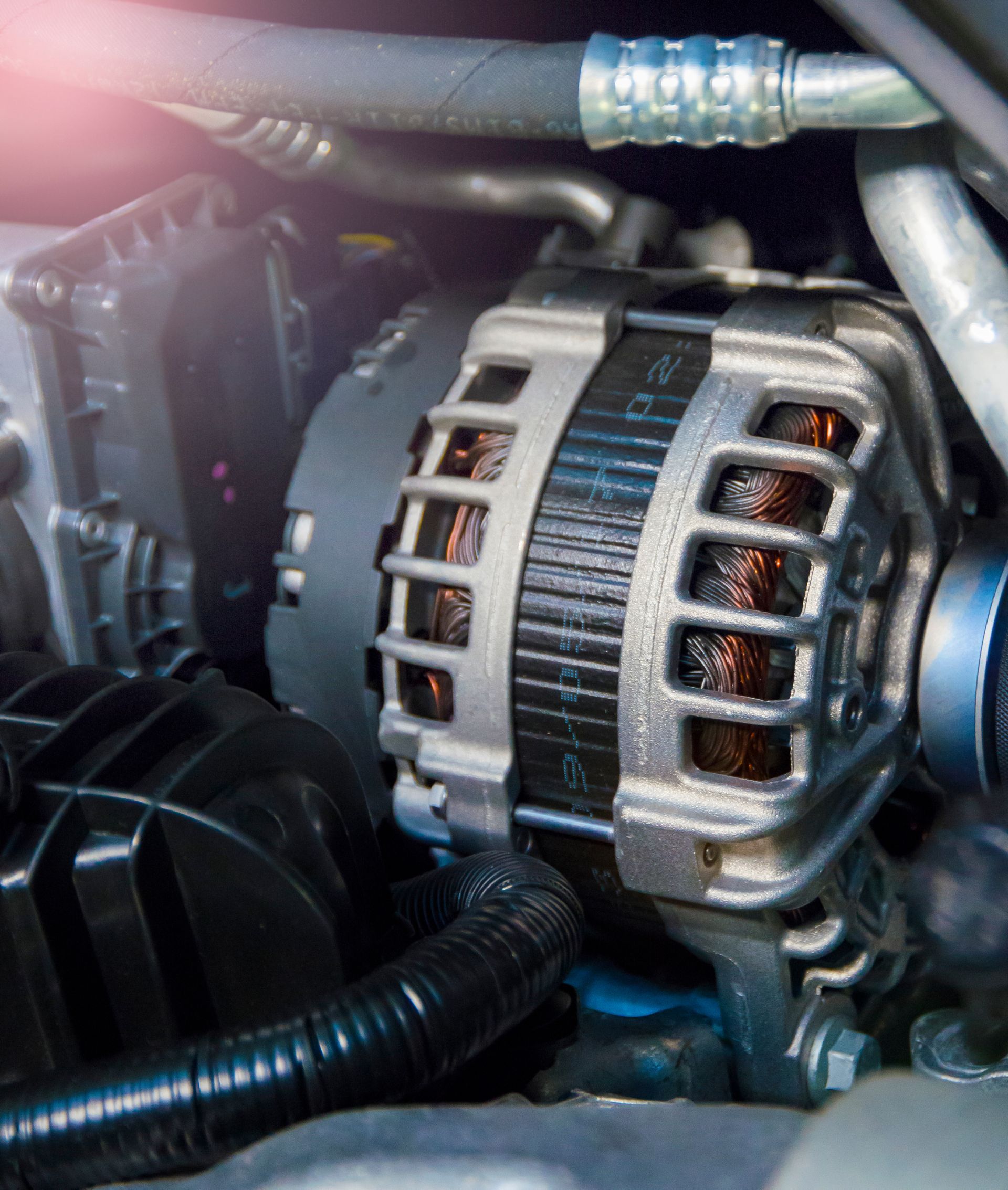
When Kansas nights turn cold, mice, rats and squirrels start hunting for shelter. A parked car that was driven a few hours ago is an easy pick. The engine bay is dry, it holds warmth, it hides them from predators, and it is packed with wiring that rodents seem happy to gnaw. The trouble is that chewed wiring rarely shows up as one obvious failure. It tends to appear as a string of strange, seemingly unrelated symptoms that are easy to brush off until the car refuses to start or a warning light will not go away.
Below are seven signs that a rodent may have been working on your vehicle's wiring, along with what to do next and how to make your car a less inviting place to spend the winter.
Across Johnson County, cars parked near open fields, creek corridors, wooded lots or new construction in Olathe, Shawnee, Merriam and Overland Park are the most exposed, because that is where mice and other rodents already live. When outdoor food and cover thin out in late fall, a warm engine bay close by is an easy target.
Why Rodents Go After Car Wiring
A rodent's front teeth never stop growing, so chewing is constant and necessary for them. Wiring harnesses are about the right size, they sit in protected corners of the engine bay, and they run close to engine parts that stay warm after a drive. Cars that sit for several days at a time get the most visits: a second vehicle, a car parked near a field, brush pile or woodpile, or one kept in a garage where pet food or birdseed is stored. Late fall and winter are the busiest months because food and cover outdoors become scarce.
1. Warning Lights Appear Out of Nowhere
Modern engines rely on dozens of sensors that report to the engine computer through thin signal wires. When one of those wires is bitten through or stripped, the computer reads a missing or garbled signal and stores a trouble code. A check engine light is the most common result. If several unrelated lights come on together, such as check engine, ABS and traction control, a single damaged harness is often a more likely explanation than several parts happening to fail on the same morning.
2. The Engine Runs Rough, Hesitates or Stalls
A chewed wire feeding an ignition coil, a fuel injector or a key sensor can cause misfires, an uneven idle, hesitation when you press the gas or stalling at a stop. Because a partly severed wire can touch and separate as the engine vibrates, the problem may come and go. That on-again, off-again behavior is what makes rodent damage hard to find without proper testing.
3. Electrical Features Work One Day and Quit the Next
Intermittent faults are a hallmark of chewed wiring. Flickering headlights, a radio that cuts out, power windows that ignore the switch or gauges that jump around can all trace back to a wire with damaged insulation. A bare spot can also rub against metal when you hit a bump, which may blow the same fuse again and again.
4. The Battery Keeps Going Dead
A damaged wire that shorts to ground can pull power from the battery even with the key off. If your battery tests healthy but the car still needs a jump after sitting overnight, a compromised circuit is worth ruling out. Our guide to car batteries covers battery care and service in more detail.
5. Nests, Droppings or Stashed Food Under the Hood
With the engine off and cool, open the hood and look around the top of the engine, the corners near the fenders, the battery tray and the air filter housing. Shredded insulation, chewed foam, leaves, grass, paper, droppings or a pile of seeds and acorns all point to a visitor. Rodents are especially fond of the air filter box, so it is worth opening it to check for a nest inside.
6. A Musty or Burning Smell From the Vents
Rodents often build nests in the cabin air intake at the base of the windshield or inside the blower housing. The first time you turn on the heat for the season, you may notice a musty, rotten or burnt odor, or hear ticking and fluttering behind the dash. A nest can also block airflow and make the blower work harder than it should. If the smell is coming through the vents, our A/C and heat repair team can check the blower and intake along with the wiring that feeds them.
7. Bite Marks You Can Actually See
Sometimes the evidence is in plain sight: copper showing through insulation, small tooth marks on plastic covers or vacuum lines, or wire coating that looks shaved down. Much of the damage hides low in the engine bay or behind other parts, so a clean first look does not rule anything out.
What to Do If You Suspect Rodent Damage
- Do not ignore serious warnings. A flashing check engine light, a strong burning smell or any smoke is a reason to stop driving and have the vehicle looked at first. A shorted wire can damage control modules and, in rare cases, start a fire.
- Clear out what you can safely reach. Wearing gloves, remove loose nesting material, but leave the wiring itself alone. Wrapping tape around a chewed wire hides the damage without restoring a reliable connection.
- Keep notes on the symptoms. Details such as "only after it rains" or "only when the heater is running" help a technician narrow down which circuit to test.
- Call your insurance company. Some comprehensive policies cover damage caused by animals, so it is worth asking before repairs begin.
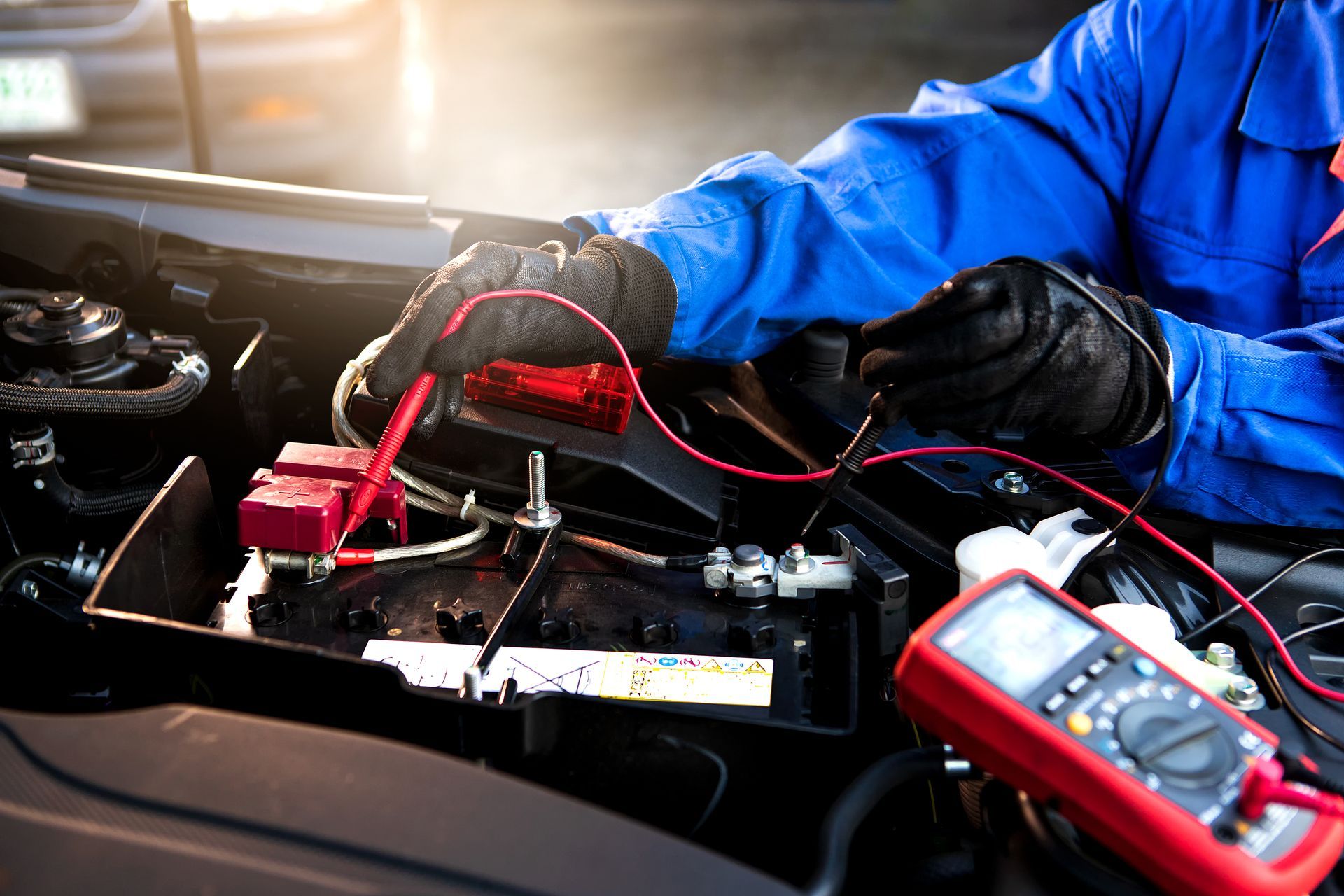
- Get the wiring tested. Locating one bitten wire inside a bundled harness takes methodical work with scan tools, wiring diagrams and circuit tests. That is where professional auto diagnostics make the difference between guessing and knowing.
How to Make Your Car Less Inviting
- Store pet food, birdseed and grass seed in sealed metal or hard plastic containers, or move them out of the garage.
- Clear leaf piles, brush and woodpiles away from where you park.
- Drive vehicles that sit for long stretches more often, and lift the hood now and then to look for fresh activity.
- Keep the garage door closed and seal gaps around doors and walls where rodents can squeeze in.
- Set traps around the vehicle rather than inside the engine bay, and remember that scent-based repellents work for some drivers and not for others.
How Long Will the Repair Take, and Is This the Expensive Version?
Two questions come up first, and honest answers are hedged because every car and every bite is different. Time depends mostly on finding the damage. Tracing one bitten wire in a bundled harness can take longer than the repair itself, and a vehicle with chewing in several places takes longer still. If a harness section has to be ordered, expect the car to wait on parts.
Cost follows the same pattern. A single repaired wire is at the small end. Replacing a harness section, or repairing modules that were damaged by a short, is at the large end. Cars with a lot of hard-to-reach wiring also take more labor. Neither a shop nor an online article can name a fair number without inspecting the vehicle, so ask for a diagnosis first and an estimate that lists diagnosis, repair and parts separately.
Repair or Replace: The Trade-Offs
- Splicing in new wire: usually the smaller job and keeps the original harness, but it only makes sense when the damage is limited and the wires can be reached and sealed properly.
- Replacing a harness section: can cost more and may take longer if parts must be ordered, but it can be the better choice when damage is widespread or buried deep in a tightly bundled harness.
- Waiting to see if it gets worse: avoids a bill today, but a shorted wire can drain the battery, damage a control module or, in rare cases, start a fire, so small problems can become larger ones.
- Repellents versus sealing entry points: repellents are cheap to try and work for some drivers and not others. Storing food properly and closing gaps in the garage address the cause, but take more effort.
Rodent Damage or a Worn-Out Part?
| Clue | Points to rodent damage | Points to a normal part failure |
|---|---|---|
| Warning lights | Several unrelated lights at once, often after the car sat for a few days | One light tied to one system, such as a single oxygen sensor code |
| Timing | Starts suddenly in late fall or winter | Builds gradually with age and mileage |
| Behavior | Comes and goes with bumps, rain or engine vibration | Often tied to one system or condition, though failing connectors and grounds can also come and go |
| What you find under the hood | Nesting material, droppings, stashed food, shredded insulation | A clean engine bay |
| What fixes it | Repairing or replacing the damaged wiring section | Replacing the failed sensor or component |
Frequently Asked Questions
Are some cars more likely to have their wiring chewed?
Any car can be a target, but how often it sits matters more than the make. A vehicle that is driven daily stays noisy and disturbed, while one parked for days gives rodents time to nest and chew. What is certain is that modern cars carry far more wiring than older ones, so there is simply more to damage and more circuits for a bite to affect.
Can a technician find a chewed wire I cannot see?
Yes. Hidden damage is common. By reading trouble codes, following wiring diagrams and checking voltage and continuity on suspect circuits, a technician can narrow down where a signal is being lost even when the bite is buried inside a harness.
Why does a chewed wire need a sealed repair instead of just tape?
Copper corrodes when water and road salt reach it. A bite or a taped-over splice lets moisture wick along the wire under the insulation, so the corrosion keeps spreading after the repair and can bring the same warning light back months later. A sealed splice, such as heat-shrink with adhesive lining, keeps water out. Some wires also carry data between modules and are sensitive to how they are joined, which is another reason a careful repair matters.
Why does chewed wiring sometimes drain the battery instead of setting a code?
Not every damaged wire is a signal wire that a module watches. If the bite is on a power feed or a circuit that stays live with the key off, bare copper touching metal or a neighboring wire can create a small path to ground. That path may not draw enough current to blow a fuse or set a code, but it can drain the battery over a night or two. Finding it means measuring the car's draw with everything off and isolating circuits one at a time until the draw drops.
Will the warning light go away if I clear the codes?
Clearing codes erases the record, not the damage. If a wire is bitten through or its insulation is stripped, the module will see the bad signal again and the light will return, sometimes within one drive. Clearing codes before a diagnosis also throws away information a technician uses to find the damaged circuit.
Get Chewed Wiring Checked Before It Gets Worse
If your car is showing any of these signs, a careful inspection now can keep a small wiring problem from turning into a dead battery, a damaged module or a breakdown on a cold morning. Our ASE-certified technicians can diagnose electrical faults, including the hidden ones rodents leave behind. Schedule auto electrical repair with New Concept Auto Service, or find the nearest of our four shops, with one each in Overland Park, Merriam, Shawnee and Olathe.
Visit a New Concept Auto Service Shop
- Overland Park: 9573 W 87th St, Overland Park, KS 66212
- Merriam: 6032 Merriam Dr, Merriam, KS 66203
- Shawnee: 4119 Bonner Industrial Dr, Shawnee, KS 66226
- Olathe: 128 North Mahaffie Street, Olathe, KS 66061